


Ann Ralli – Founder and Life-President, Devon Air Ambulance Trust
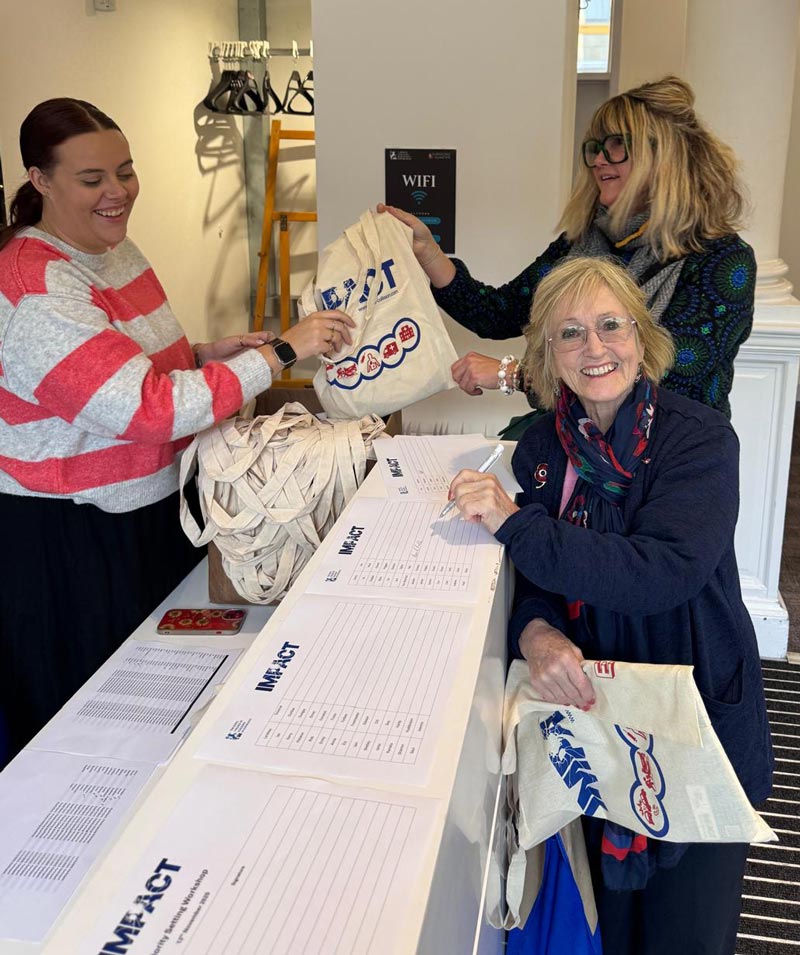
On Wednesday, 12th November, I was proud to participate in the IMPACT Priority Setting Workshop in Edinburgh, a day that brought together an extraordinary group of people united by one goal: improving survival after road traffic collisions.
The room was filled with trauma specialists, paramedics, firefighters, police officers, surgeons, doctors, researchers, and members of the public who have either been bystanders at collision scenes, road injury survivors, or are family members of people who have experienced road injury. Their commitment, passion, and depth of knowledge were inspiring. The energy in the room was incredible, every voice mattered, and every perspective added value.
What is a Priority Setting Partnership?
A Priority Setting Partnership (PSP) is not about deciding what education or training the public needs right now. Instead, it’s a structured process to identify the most important unanswered research questions in a specific area, in this case, post-collision care. These questions will guide future research so that evidence-based solutions can be developed to improve outcomes.
For me, the day was about contributing to that process and ensuring that the voices of bystanders, those first on the scene, were heard – because before professional help arrives, it’s often members of the public who have the first and best chance to make a difference.
Why This Matters to Me
My passion for this work comes from deeply personal experiences. In 1986, my son Ceri was involved in a collision while cycling in East Devon. It took over an hour to get him to hospital, and by then, it was too late. When I asked the surgeon what could have saved him, the answer was clear: an air ambulance. That conversation led me to found Devon Air Ambulance Trust, so others might have the chance my son didn’t.
But there’s another part of that story that still haunts me. I was there, with two others, as a bystander. We didn’t know what to do. I was frozen with fear—terrified of making things worse. I didn’t even go close to comfort him. That feeling of helplessness has never left me.
Fast forward to 2023, when I was involved in a serious road traffic accident in the US. Two kind bystanders called 911 and checked on me, but they didn’t know what else to do. Luckily, paramedics arrived within seven minutes and saved my life, however, if they had been delayed by just a few minutes, I wouldn’t be here. If those bystanders had known how to help, maybe they could have acted sooner.
These experiences fuel my determination to see a future where bystanders are empowered with knowledge and confidence to help. That’s why this workshop mattered so much to me.
The People Behind IMPACT
This incredible initiative was led by Tim Nutbeam, Director of IMPACT and a leading voice in emergency medicine and post-collision care. Alongside him were facilitators, Kerry Dungay, Programme Coordinator, Lauren Rodgers, Senior Research Coordinator and Emily Foote, DAA Doctor and Research Fellow. Laura Cottey, Emergency Medicine Registrar, was our workshop chair. Their dedication and hard work brought together voices from across the UK to shape the future of research in this vital area.
Thanks to their efforts, we now have a clear set of research priorities that will guide the next steps, steps that will ultimately save lives.
Looking Ahead
I left Edinburgh feeling hopeful. This is the beginning of something transformative. By focusing research on the right questions, we can develop evidence-based strategies to educate and empower bystanders, improve emergency responses, and prevent needless loss of life.
To Tim, Kerry, Lauren, Emily and Laura, thank you for making this possible, and to everyone who contributed: your voices will change the future.